BR Brazil
🇧🇷 Brasília
2015
I practiced putting myself in the shoes of others. Empathy wasn't a research method here — it was a survival skill, and the foundation everything else got built on.
Specialist in complex B2B SaaS and developer-adjacent products. Design that moves metrics.
Because nobody dared to ask the right questions early enough. So I built a practice around asking them — across cultures, across markets.

I practiced putting myself in the shoes of others. Empathy wasn't a research method here — it was a survival skill, and the foundation everything else got built on.
I learned that stubbornness turns the fear of failure into craft. Iteration as a discipline, not a phase — and shipping a tenth draft without losing the spark of the first.
I learned that to listen, I needed to let go of my own assumptions. Strong opinions, loosely held — and the patience to let the team's clearest answer outrank my fastest one.
Good design is the structure underneath systems that deliver. The gap between intent and experience is where everything works — or falls apart.
Three cultures, three languages, one constant: moving through ambiguity without losing clarity. Discomfort builds empathy and resilience.
I've shipped production work with it — prototyping on a branch, testing with users the same day. Technology accelerates the iteration loops; but human judgment closes it, perfects it.
The highest-leverage design move is often not visual. It's reframing the brief, surfacing a constraint the team hadn't named, or making a tradeoff legible before it becomes a conflic. Design has the power to make user's pain visible.
Design is the byproduct of a relentless curiosity about how to deliver unforgettable experiences to users. I treat design as a hypothesis — to be tested. Our understanding of it, our knowledge of standards, methodologies, solutions and possibilities must be continuously reflected on and pushed forward.
Good design starts with users. It's what keeps working as the product, the team, and the context evolve. Feedback isn't a threat to the work — it's how the work improves, and how everyone's definition of "good" gets sharper.
Defining what success looks like — the metric, the timeframe, the guardrail — is part of the same thinking as defining the interaction. I treat experiment design as a design deliverable. Shipping without that structure isn't shipping.
My specialty lives where most designers stop — implementation decisions, IA that holds under edge cases, features that make it through real codebases.
 2021 — Present
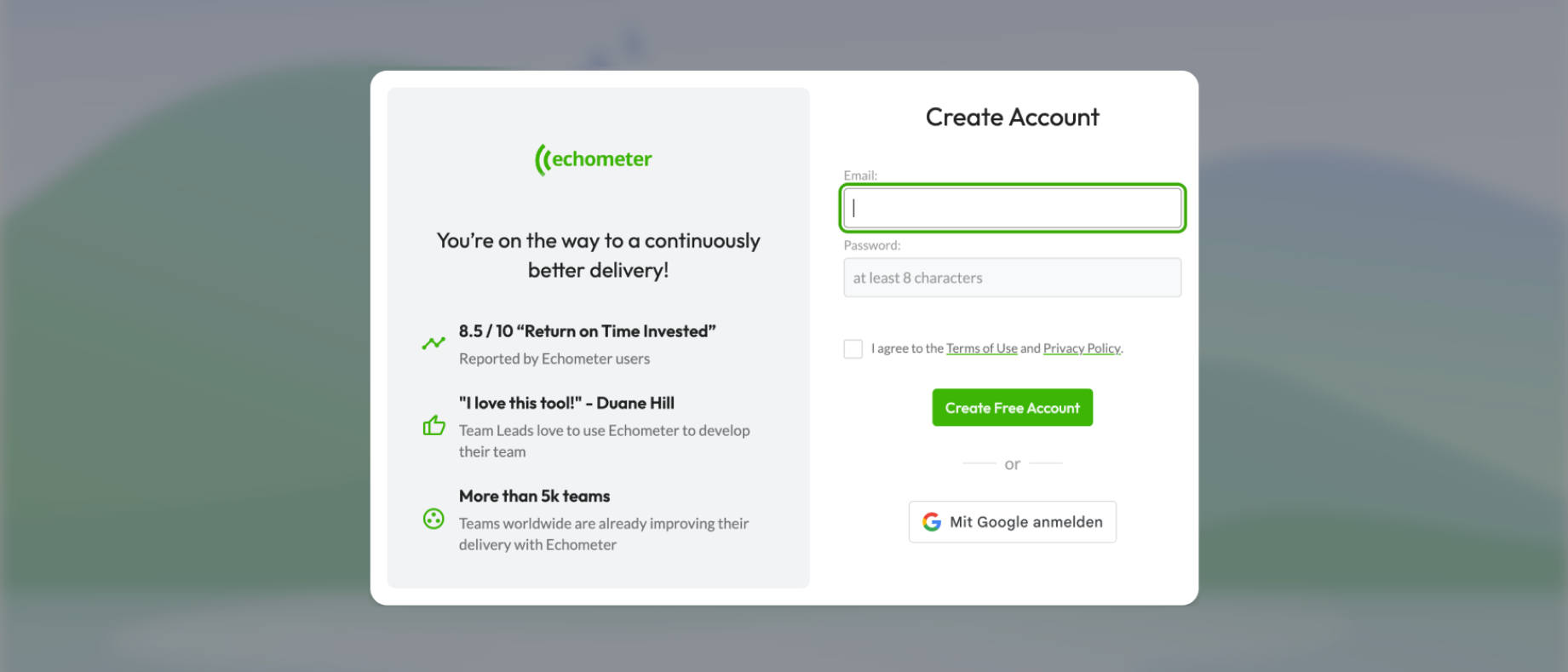
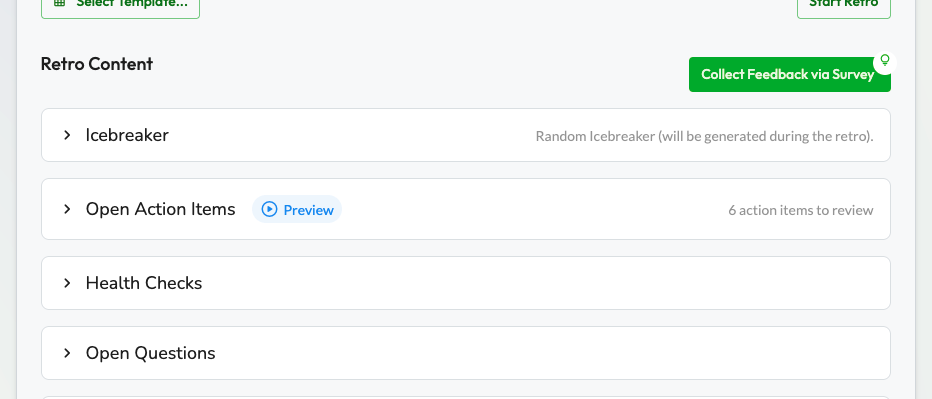
Solo product designer on a B2B SaaS platform for team development — retrospectives, 1:1s, and structured feedback. Owned end-to-end design across discovery, experimentation, and implementation in a PLG environment. Improved signup conversion by 49.64% and M1 activation by 192% through iterative A/B testing and direct implementation in HTML and Tailwind CSS.

Led end-to-end design for a new cross-platform health tracking product (web, iOS, Android) from concept to prototype. Concurrently owned the complete redesign of the company's main iOS and Android product.

Designed data-informed user experiences and managed cross-functional delivery for a B2B advertising platform.

Led UX/UI projects translating academic research into applied digital products. Coordinated junior researchers and delivered outcomes in collaboration with industry partners.

Contributed to UX and system design for a national MOOC platform, supporting complex learning interactions and digital experience development.