Specialist in complex B2B SaaS and developer-adjacent products. Design that moves metrics.
Strategy and UX grounded in user interviews and A/B experimentation. My prototypes run in code, not Figma — tested with real users, reviewed by engineering before release.
"Camilla redefined what 'good' means in terms of design on our team. She raised the bar for what can be delivered while making collaboration with developers smoother and more efficient."
"Working with Camilla is incredibly efficient. Iterations happen fast, she asks the right questions — about design, but also about scope and strategic direction — and her technical understanding makes collaboration with engineers significantly smoother."
AI & Design Practice
"Anything worth testing needs to be in the real product to get meaningful signal."
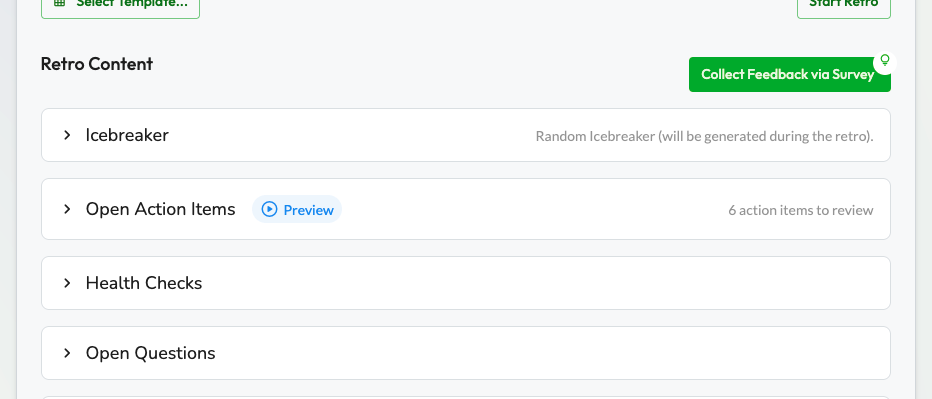
I changed how my team thinks about prototyping and validation. We were using Figma as the source of truth — but I found that decisions only became real when tested in the actual product. So I started using AI-assisted development to work directly in code: running user interviews on a branch, iterating the same day, then handing off a validated, working version to engineering for security review and backend work.
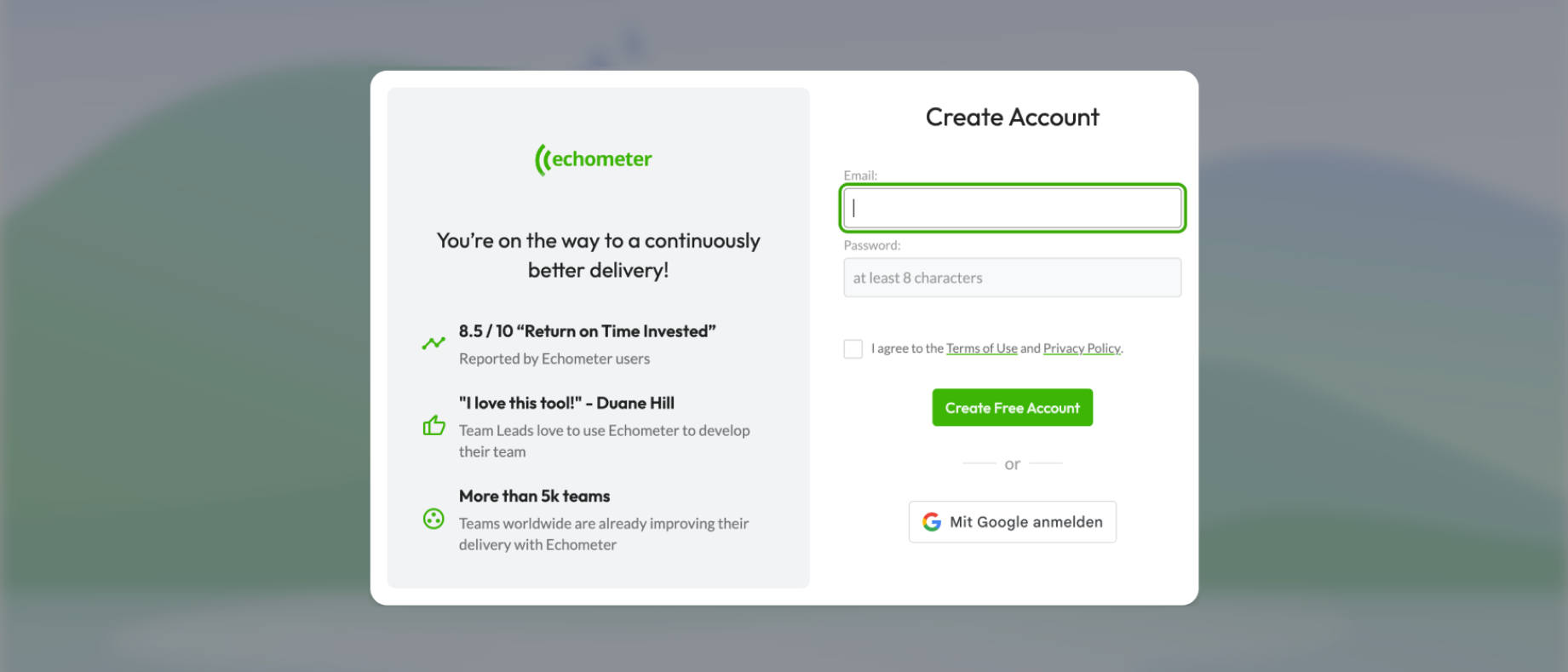
Figma became a sketching tool, not a deliverable. The signup A/B tests came out of that workflow — we got 99% statistical confidence because we were testing with real users in a real product, not a prototype.
Design is the byproduct of a relentless curiosity about how to deliver unforgettable experiences to users. I treat design as a hypothesis — to be tested. Our understanding of it, our knowledge of standards, methodologies, solutions and possibilities must be continuously reflected on and pushed forward.
Design must start at the users. Good design is a system that keeps working as the product, the team, and the context evolve. Feedback isn't a threat to the work — it's how the work improves, and how everyone's definition of "good" gets sharper.